
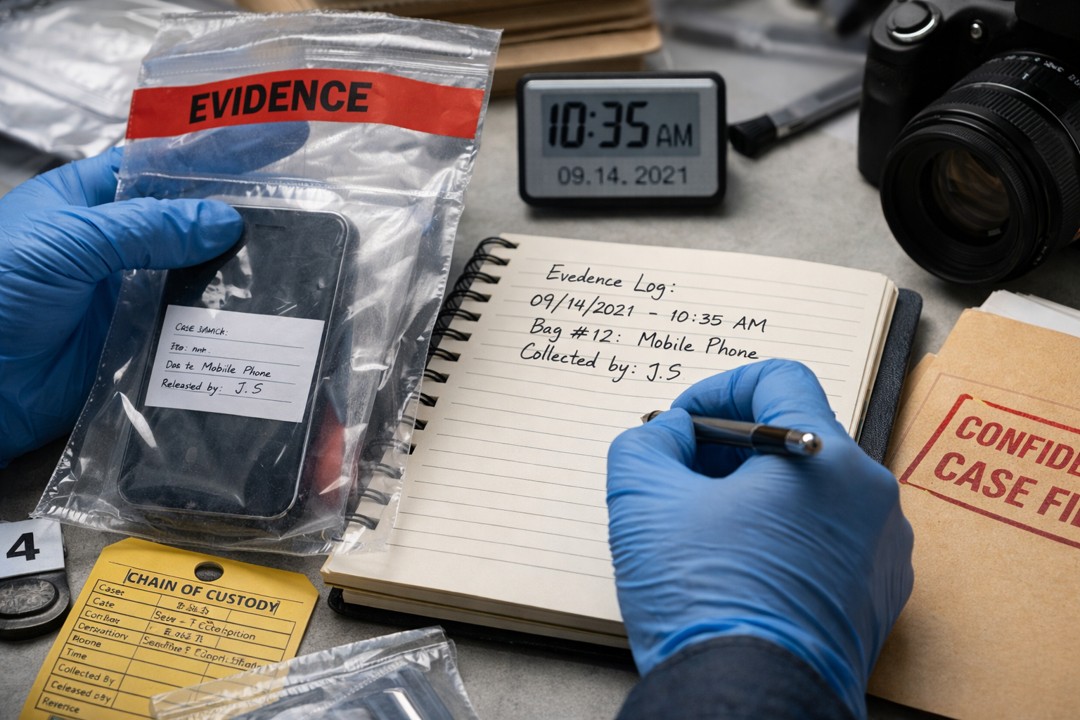
Outsourcing Forensic Skills When Talent Is Scarce
Accessing Scarce Forensic Skills Through Outsourcing. Forensic capability is in short supply, and demand spikes when allegations land, regulators ask questions, or losses start showing up in the numbers.
The risk is not only “not enough people”. It is not having the right mix of skills at the right time: investigation planning, evidence handling, interviews, data analysis, process and control assessment, reporting that stands up to scrutiny, and the independence to call what is found.
Outsourcing forensic work (or parts of it) is often the most practical way to access scarce expertise without carrying permanent overheads.
What good outsourcing looks like:
- Speed to capability: specialist skills on demand, with clear mobilisation timeframes
- Repeatable method: structured case management, documented procedures, clean audit trail
- Independence and credibility: objective findings and defensible reporting
- Surge capacity: scale up during peaks, scale down when the case closes
- Knowledge transfer: practical improvements to controls, governance, and prevention
If your organisation needs forensic capacity but cannot justify building a full internal team, Duja Consulting can provide experienced resources, proven methods, and fit-for-purpose reporting, while your leaders stay focused on running the business.
If you would like to unpack the best outsourcing model for your environment, let’s talk.
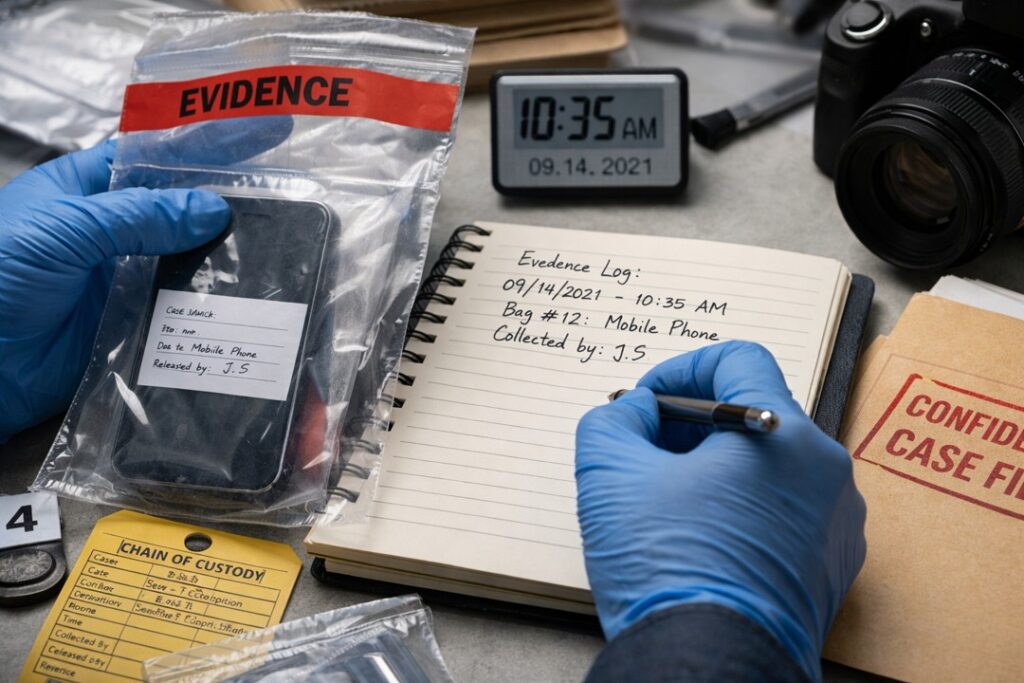
How organisations can mobilise credible investigative capability quickly, protect independence, and strengthen controls without building a permanent internal team.
Accessing Scarce Forensic Skills Through Outsourcing
The reality: forensic skills are scarce and demand is unpredictable
Most organisations do not need a large forensic team every day. But when something goes wrong, they need one immediately.
A credible forensic response is rarely a single skill. It is a coordinated mix of capabilities that must work together under pressure, including:
- Case scoping and investigation planning
- Evidence handling and preservation
- Interview planning and execution
- Data extraction and analysis across multiple systems
- Control and process assessment
- Report writing that stands up to scrutiny
- Governance support for disciplinary, civil, and criminal pathways where relevant
That blend is difficult to maintain in house, especially when volumes are low, budgets are constrained, and the best talent is highly mobile. Add to this the fact that matters rarely arrive one at a time. When allegations break, they often come in clusters: procurement, payroll, claims, inventory, travel, vendor onboarding, and conflicts of interest.
The result is a predictable failure mode: investigations start late, run too long, or produce findings that do not withstand challenge. That is where outsourcing, if designed properly, becomes a strategic operating decision rather than a procurement decision.
Why outsourcing works for forensic capability
Outsourcing can solve three problems at once: capacity, competence, and credibility.
1) Capacity on demand
Forensic work is “lumpy”. Organisations may have quiet periods followed by sudden surges. Outsourcing gives access to surge capacity without carrying full time overheads.
2) The right skill mix
One investigator rarely covers the full spectrum of investigative work. Outsourcing enables a blended team: investigative leadership, data specialists, interviewers, and reporting specialists, assembled to fit the case.
3) Independence and defensibility
Perception matters. When matters touch senior employees, long standing suppliers, or politically sensitive programmes, independence is essential. An outsourced model can provide separation from internal pressure and produce reporting that is more likely to be trusted by boards, regulators, and external stakeholders.
What forensic outsourcing is and what it is not
A strong outsourcing model is not “bring in people to do interviews”. It is an end to end approach with disciplined method, clear governance, and a documented audit trail.
At its best, outsourcing provides:
- A repeatable investigation method (consistent steps, documentation, evidence discipline)
- Case management discipline (timelines, decision points, escalation routes)
- A clean audit trail (who did what, when, with what evidence)
- Defensible outputs (clear findings linked to evidence)
- Practical prevention (control improvements that reduce repeat losses)
At its worst, outsourcing becomes a last minute scramble with unclear scope, weak evidence handling, and reporting that creates more risk than it removes. The difference is operating model design.
Common triggers that require rapid forensic mobilisation
Forensic outsourcing is particularly effective when investigations must start quickly and carry reputational risk.
Typical triggers include:
- Whistleblowing allegations that require independent handling
- Procurement and vendor irregularities
- Conflicts of interest and undisclosed relationships
- Payroll anomalies, ghost employees, or overtime abuse
- Asset losses, fuel and inventory shrinkage, or theft syndicates
- Claims leakage, refunds abuse, or account manipulation
- Misuse of company resources, expense fraud, or travel abuse
- Suspected collusion between employees and suppliers
- Governance concerns raised by internal audit, risk, or external auditors
In most of these cases, speed matters, but method matters more.
Choosing the right outsourcing model
There is no single correct model. The best approach depends on your risk profile, internal capability, and the nature of incidents you face. Most organisations choose one of four patterns.
Model 1: Fully outsourced investigations
You outsource the full lifecycle from allegation triage to reporting and prevention actions.
Best for:
Organisations with limited internal forensic capability, high sensitivity, or strong independence requirements.
Model 2: Co sourced investigations
Internal teams handle certain components (for example, policy interpretation and disciplinary pathways) while external specialists handle evidence, analytics, and reporting.
Best for:
Organisations with strong governance functions but limited forensic specialism or limited capacity.
Model 3: Managed forensic service retainer
You maintain a standing arrangement to ensure rapid mobilisation, clear service levels, and agreed case management approach.
Best for:
Organisations that face recurring incidents, seasonal surges, or complex stakeholder environments.
Model 4: Surge capacity support
You mobilise external resources only during peaks or for specific skills such as data analytics, interview support, or report review.
Best for:
Organisations with a capable internal function that occasionally needs specialist reinforcement.Lorem ipsum dolor sit amet, consectetur adipiscing elit. Ut elit tellus, luctus nec ullamcorper mattis, pulvinar dapibus leo.
What good forensic outsourcing looks like in practice
A credible outsourced engagement is structured like a controlled programme, not an ad hoc project.
The following elements are non negotiable.
1) Clear scope and investigation questions
Before evidence is touched, the investigation must define what it is trying to prove or disprove. Vague scopes lead to long timelines and weak conclusions.
Strong scopes include:
- What allegation is being tested
- What time period is in scope
- Which entities and systems are relevant
- What decisions must be made from the outcome
- What “success” looks like (for example, disciplinary readiness, recovery pathway, control improvements)
2) Evidence handling and preservation discipline
Investigations rise or fall on evidence discipline.
Outsourced teams should operate with clear evidence protocols:
- Evidence register and chain of custody procedures
- Secure storage and access control
- Consistent file naming and document control
- Clear version management for analysis outputs
- Documentation of all interviews and confirmations
This is not bureaucracy. It is what makes findings defensible.
3) Strong governance and decision rights
Outsourcing does not remove accountability from management. It clarifies it.
Define governance early:
- Who commissions the work
- Who receives interim updates
- Who approves scope changes
- Who signs off the final report
- How conflicts and sensitivities are managed
- How disciplinary and recovery actions are triggered
4) A balanced approach to speed and rigour
Speed to mobilisation is valuable, but rushing the method creates downstream risk. A good partner moves quickly while still following disciplined steps: triage, scoping, data capture, interviews, analysis, findings, reporting, and prevention.
5) Outputs that enable action
A well written report does three things:
- Links findings to evidence clearly
- Quantifies impact where possible
- Converts lessons into practical prevention steps
If a report cannot support decisions, it is a risk document, not a solution document.
Risks and pitfalls to avoid
Outsourcing can fail when organisations treat it as a procurement event rather than a governance event.
Common pitfalls include:
- Unclear ownership: nobody is accountable for decisions, so cases drift
- Scope creep: additional issues keep being added without resetting time and cost expectations
- Weak data access: delays caused by unclear permissions and system ownership
- Poor confidentiality controls: reputational risk increases through leaks and informal handling
- Reporting without remediation: the organisation repeats the same issues because controls do not change
- Over reliance on individuals: capability is tied to one person, not a method and a team
The antidote is a defined operating model, agreed upfront.
How to select a forensic outsourcing partner
When evaluating a partner, focus on method and credibility, not just experience claims.
Look for:
- A clearly documented investigation methodology
- Strong case management discipline and predictable reporting formats
- Ability to combine interviews, process work, and data analysis
- Independence safeguards and conflict management processes
- Practical recommendations that strengthen governance and controls
- The ability to mobilise quickly with defined timelines
- Clear data handling and confidentiality practices
Ask directly:
- How will evidence be logged and secured
- How will you ensure findings are defensible
- How will you manage sensitive stakeholders
- What will weekly governance updates look like
- How do you ensure prevention actions are implemented
A practical implementation roadmap
If you want to move from reactive investigations to a controlled outsourced model, a phased approach works best.
Phase 1: Readiness and model design
- Define the types of matters you will outsource
- Agree investigation governance and decision rights
- Define service levels for mobilisation and reporting cadence
- Create a standard case intake and triage process
- Define data access pathways and permissions
Phase 2: Pilot and refine
- Run one or two matters through the model
- Refine templates, governance cadence, and reporting formats
- Confirm confidentiality and evidence handling practices
- Establish what “good” looks like for prevention actions
Phase 3: Operationalise
- Implement a standing retainer or framework agreement
- Establish a regular review of patterns and root causes
- Track prevention actions and measure repeat incident reduction
- Build a small internal capability focused on governance, not doing everything
The goal is not only better investigations. The goal is fewer investigations.
The strategic payoff: prevention, not only findings
Forensic work is often viewed as a response function. In reality, it is also a prevention engine.
A mature outsourced model should create a feedback loop into:
- Procurement and vendor onboarding controls
- Segregation of duties design
- Monitoring of high risk transactions
- Management oversight routines
- Ethics and conduct reinforcement
- Training and awareness for high risk roles
This is how organisations turn incidents into improved resilience.
Closing: outsourcing as a capability decision
Accessing scarce forensic skills through outsourcing is not a shortcut. Done properly, it is a deliberate operating model that gives your organisation rapid access to specialist capability, credible independence, and disciplined method, while ensuring that each matter leaves the organisation stronger than before.
If your organisation needs forensic capacity but cannot justify building a permanent internal team, Duja Consulting can help you design the right outsourcing model and provide experienced resources, proven methods, and defensible reporting.