
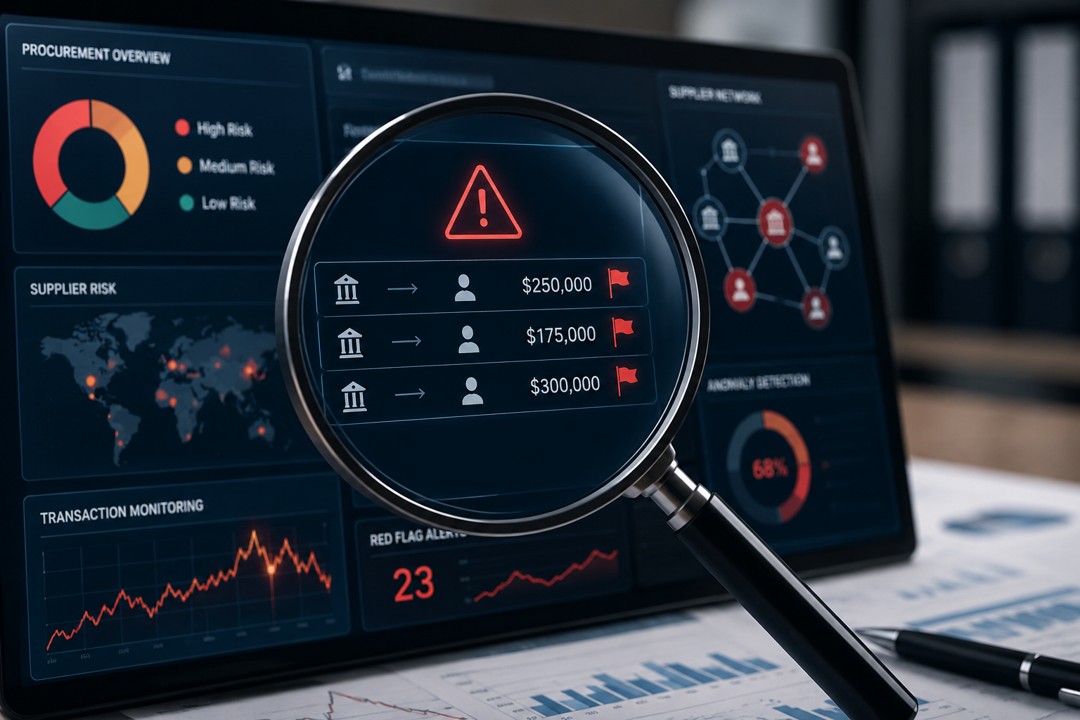
Forensic Capability on Demand: The Strategic Advantage of Outsourced Investigations
When fraud, procurement irregularities, whistle-blower allegations, or conflicts of interest arise, organisations face a critical challenge:
Do they have the right forensic capability available when they need it most?
Most organisations do not require a full-time forensic investigation team every day.
However, when incidents occur, they need specialist skills, independence, and rapid mobilisation immediately.
The reality is that forensic investigations require far more than investigative expertise.
They often demand forensic accounting, data analytics, interview capability, evidence management, governance oversight, and defensible reporting.
This is why leading organisations are increasingly viewing forensic outsourcing not as a procurement decision, but as a strategic risk management decision.
In our latest article, we explore:
- Why forensic skills are becoming increasingly scarce
- The business case for outsourced forensic capability
- How independent investigations strengthen governance
- Different outsourcing models organisations can adopt
- What good forensic outsourcing should look like
- How investigations can drive long-term control improvements
The most resilient organisations don’t wait until a crisis occurs to think about investigative capability.
They prepare in advance.
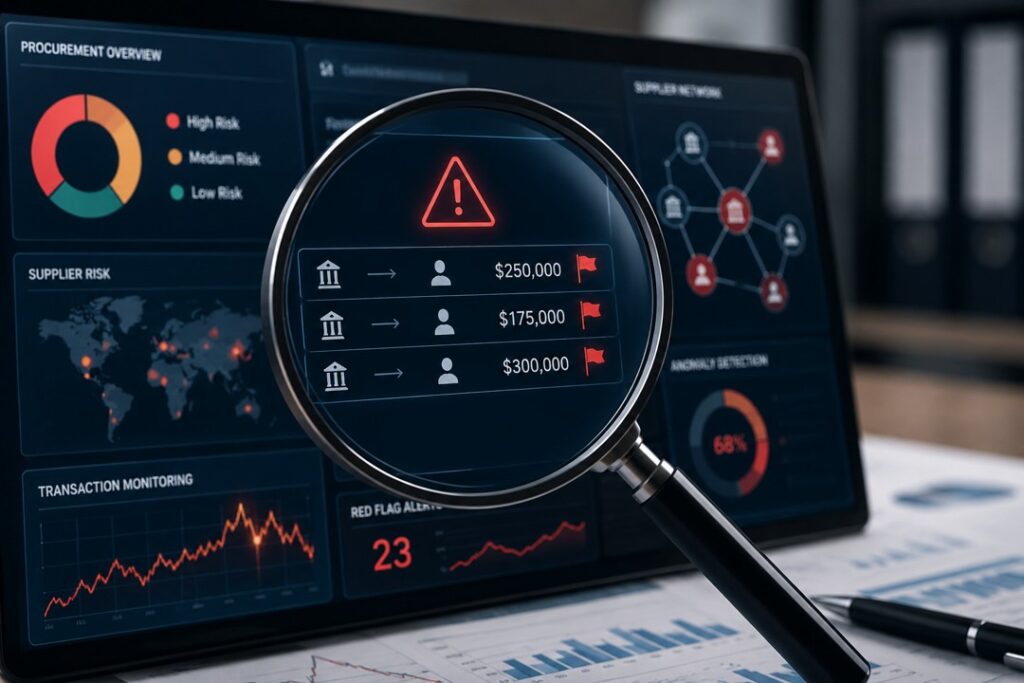
Forensic Capability on Demand: Why Outsourcing Is a Strategic Risk Decision
Most organisations do not need a full forensic investigation team every day.
But when allegations arise, they need the right capability immediately.
That is the challenge many leadership teams face. Fraud, procurement irregularities, conflicts of interest, payroll abuse, whistle-blower allegations, and supplier collusion rarely arrive at a convenient time. They often surface suddenly, involve sensitive stakeholders, and require a response that is fast, independent, and defensible.
For many organisations, building a permanent internal forensic function is not practical. The required skills are specialised, expensive to maintain, and not always needed at full capacity. Yet delaying an investigation, using the wrong capability, or handling a matter informally can create serious legal, financial, and reputational consequences.
It is not simply a way to “bring in investigators”. Done properly, it is a strategic operating model that gives organisations access to scarce skills, disciplined methodology, independent reporting, and practical recommendations that strengthen controls.
The real issue: forensic work is not one skill
A credible forensic response requires more than an investigator asking questions.
It may require case scoping, evidence preservation, data analysis, interview planning, process review, report writing, governance support, and recommendations that can stand up to scrutiny. In some cases, findings may inform disciplinary proceedings, civil recovery, criminal referrals, insurance claims, or board-level decisions.
That requires a blend of skills.
One matter may need a forensic accountant. Another may require a data specialist. A sensitive whistle-blower case may need independent interview capability and careful governance oversight. A procurement matter may require both document review and supplier relationship analysis.
Few organisations can maintain this full mix internally at all times. Even where internal audit, risk, compliance, or HR teams are strong, they may not have the capacity or forensic specialism to manage complex matters without support.
Outsourcing gives organisations access to the right skills at the right time, without carrying a permanent cost structure that may not be justified by case volume.
Why independence matters
When an allegation involves junior employees, internal teams may be able to manage it.
But when a matter touches senior management, long-standing suppliers, politically sensitive programmes, or high-value transactions, independence becomes critical.
The question is no longer only, “Can we investigate this?”
It becomes, “Will the outcome be trusted?”
An outsourced forensic team can provide separation from internal pressure. It can help ensure that evidence is handled properly, that interviews are conducted fairly, and that findings are linked clearly to facts rather than assumptions.
Independence also protects decision-makers. Boards, executives, audit committees, and disciplinary panels need confidence that the investigation process was objective, consistent, and properly documented.
A weak investigation can create more risk than the original allegation. A defensible investigation helps the organisation make difficult decisions with confidence.
Speed matters, but method matters more
When something goes wrong, leaders naturally want quick answers.
That urgency is understandable. However, rushing into interviews, collecting documents informally, or expanding scope without discipline can damage the integrity of the investigation.
Good forensic outsourcing balances speed with rigour.
The first step should be to define the allegation clearly. What is being tested? What period is under review? Which systems, documents, individuals, suppliers, or transactions are relevant? What decision must the investigation support?
Without clear scope, investigations drift. Timelines stretch. Costs increase. Findings become vague.
A disciplined outsourced model should include evidence registers, secure document control, clear reporting structures, defined decision rights, and regular governance updates. These are not administrative extras. They are what make findings reliable.
Outsourcing models should fit the organisation
There is no single model that works for every organisation.
Some organisations need fully outsourced investigations, particularly where they have limited internal capability or where independence is essential. Others may prefer a co-sourced model, where internal teams manage policy, HR, or disciplinary processes while external specialists handle forensic evidence, analytics, interviews, and reporting.
Some organisations benefit from a managed forensic service retainer, especially where incidents occur regularly or where rapid mobilisation is important. Others only need surge capacity for peak periods or specialist support on complex matters.
The right model depends on the organisation’s risk profile, internal capability, governance structure, and the nature of incidents it typically faces.
The important point is this: outsourcing should not be treated as a last-minute procurement exercise. It should be designed as part of the organisation’s broader governance and risk response framework.
What good forensic outsourcing should deliver
A strong forensic outsourcing partner should bring more than technical experience.
They should bring method.
That means a clear investigation methodology, strong case management discipline, careful evidence handling, predictable reporting formats, confidentiality controls, and practical recommendations.
The final report should not simply describe what happened. It should support action.
A useful forensic report should:
- Link findings clearly to evidence.
- Quantify impact where possible.
- Identify control weaknesses.
- Support management, disciplinary, recovery, or governance decisions.
- Recommend practical prevention steps.
The goal is not only to complete an investigation.
The goal is to help the organisation reduce the likelihood of the same issue recurring.
Prevention is the strategic payoff
Too often, forensic work is seen only as a response function.
Something happens. An investigation is launched. A report is written. Action is taken against individuals. Then the organisation moves on.
But a mature forensic model should do more than identify wrongdoing. It should create a feedback loop into governance and control improvement.
If a procurement fraud occurs, what does it reveal about vendor onboarding, segregation of duties, supplier due diligence, approval limits, or contract management?
If payroll abuse is detected, what does it reveal about timekeeping, supervision, exception reporting, or system access?
If conflicts of interest are uncovered, what does it reveal about declarations, monitoring, ethics training, and management oversight?
Every investigation should leave the organisation stronger than it was before.
That is the difference between reactive investigation and strategic forensic capability.
Choosing the right partner
When selecting a forensic outsourcing partner, organisations should look beyond experience claims.
They should ask practical questions:
How will evidence be secured?
How will confidentiality be protected?
How will scope changes be managed?
How will sensitive stakeholders be handled?
How will findings be tested before reporting?
How will recommendations translate into control improvements?
The right partner should be able to mobilise quickly, but also work within a disciplined framework.
They should understand that forensic work is not only about uncovering facts.
It is about helping organisations make defensible decisions under pressure.
A smarter way to build resilience
Forensic outsourcing is not a shortcut.
It is a capability decision.
For organisations that cannot justify a permanent internal forensic team, outsourcing provides access to specialist skills, independent perspective, structured methodology, and defensible reporting when it matters most.
More importantly, it allows leadership teams to move from reactive crisis management to a more controlled, strategic response model.
At Duja Consulting, we help organisations design and implement forensic outsourcing models that support rapid mobilisation, credible investigations, and stronger governance outcomes.
When allegations arise, the question should not be whether your organisation can scramble together a response.
The question should be whether your organisation is ready.